
8 things to know about the new Santa Cruz Hightower


1. TALLBOY 2
The Hightower is the replacement for Santa Cruz’s Tallboy LT, which broke the 29er mould when it was launched back in 2012 but had begun to show its age in terms of geometry.

2. FRESH GEO
The new bike is longer up front, shorter in the rear, slacker and lower than its predecessor, with a 622mm efective top tube, 435mm chainstays, 67-degree head angle and 337mm bottom bracket height on the large size in 29er mode.

3. PLUS POINTS
The Hightower isn’t just a 29er though. It’s also compatible with 650b+ wheels/tyres. So is it a 29er that’s plus-size compatible or a 650b+ bike that can run big wheels? Both. Santa Cruz will be ofering it with a choice of three 29er and three 650b+ build kits, with prices starting from 6000$. The frameset will set you back 4050$.

4. LATEST LINKAGE
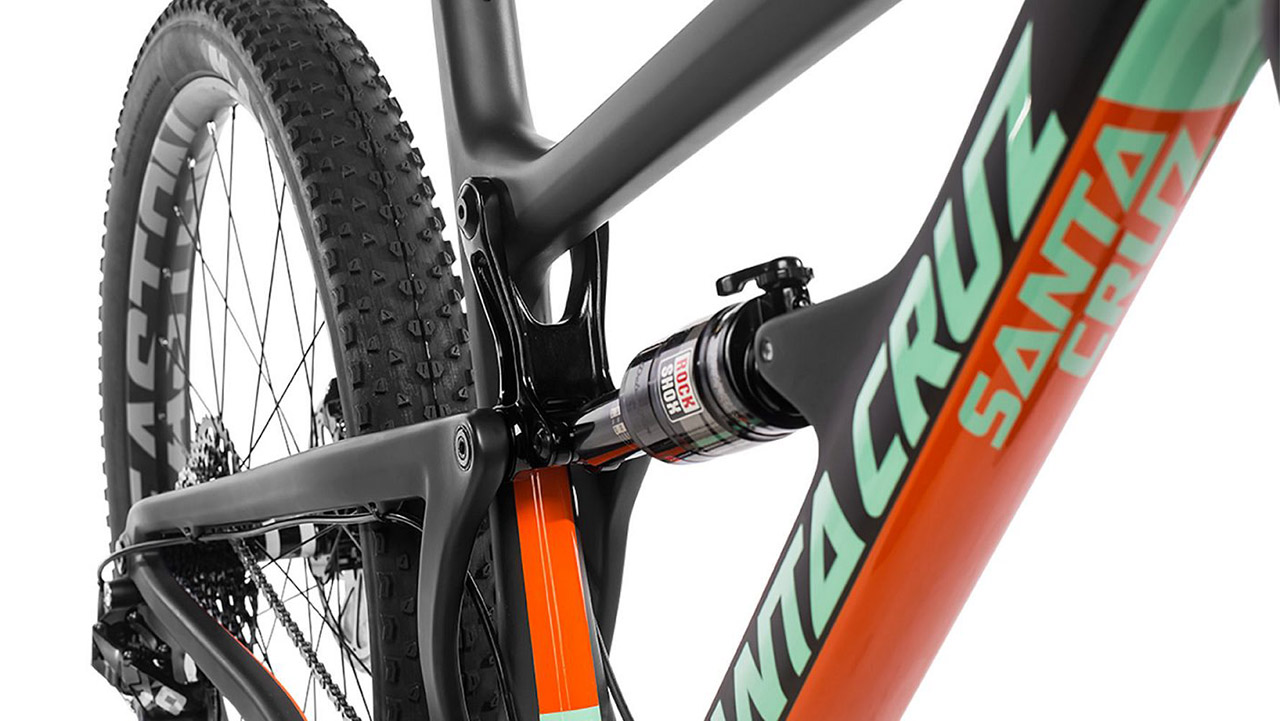
Like the Tallboy LT, the Hightower serves up 135mm (5.3in) of travel, but it gets the same streamlined VPP linkage as Santa Cruz’s redesigned Bronson and 5010.

5. 1X SPECIFIC
If you like doubles (or even triple cranksets) this isn’t the bike for you – the Hightower is designed for use with single-ring drivetrains only.

6. FIBRE DIET
Don’t hold your breath for an alloy version, because Santa Cruz only plan to produce the Hightower in carbon fibre. This keeps stifness high and weight low – a large frame with RockShox Monarch RT3 shock weighs a claimed 2.68kg (5.88lb), while complete bikes range from 13.5kg (29.73lb) to 12.2kg (26.93lb).

7. SORRY SHORTIES
The Hightower isn’t a bike for the vertically challenged. Santa Cruz are only ofering it in medium, large and XL sizes, and the complete bikes all come with 150mm dropper posts. There’s no longer an XXL size, but the reach of an XL Hightower is 18mm longer than that of an XXL Tallboy LT.

8. DEVIL IN THE
DETAILS Practicality hasn’t been forgotten. The Hightower has internal cable routing for the rear derailleur but external routing for the rear brake, making parts swaps much easier. You can also expect to enjoy many creak-free rides thanks to the triedand- true threaded bottom bracket. Thanks, Santa Cruz!



Popular posts from this blog

Merida Big Nine 100

Wit the bikes swapped over, we head out on the same loop again, this time on the 29in Big Nine 100. Whereas the Big Seven was snappy off the line, the 29er takes a couple more pedal strokes to get up to speed. That said, once it's up there, it's easy to keep the big wheels rolling, allowing us to cover ground with ease. The fire road is at times a little rough, and the bigger wheels roll over the imperfections so we barely notice them.

Chromag HiFi 35 (50mm) stem

This is a seriously solid stem. Chromag use 5mm Allen bolts throughout, which makes it that bit easier to fit because you don’t have to swap tools. Once torqued up to the recommended 6-8Nm, it clamps both steerer and bar solidly, with no appreciable flex. We couldn’t get it to twist on the steerer, either in our static test or when riding. It’s also available in a 35mm length and three other colours. At 204g the HiFi is the heaviest stem on test by some margin, despite being one of the more expensive offerings here. Price $112

KONA SHRED

With a reputation for no-nonsense ruggedness and a background in the always progressive and punishing riding of Canada, Kona have been building hardcore hardtails for longer than almost anyone else. The Shred is the most expensive bike on test but it’s a proper trail tank.

ENVE M50 29" Wheels

Utah based company ENVE have been making drool-worthy carbon components for some years now. Despite the fact that carbon rims are becoming more and more common on mountain bikes these days, you can guarantee that ENVE wheels will be a talking point when someone is eyeing off a steed. Instantly, the big bold logos on each rim scream "fast", "light" and to some extent, "expensive" The kids call this 'bling'.

COMMENCAL EL CAMINO 3

Commencal are going from strength to strength at the moment and they’ve taken their tough trail hardtail bang up to date with 650b wheels. With its skinny rims, crankset and fork, the El Camino certainly isn’t perfect and it’s the least hardcore bike here. The handling, smoothness, speed and all-round agility of the basic bike still make it a real blast for technical trail riding though, and it’s a great base for upgrading over time.